The sarong: A true multi-talent
The must-have for style, beach & travel
The sarong or pareo is a large, lightweight scarf – usually made of viscose, cotton or silk – and originates from Southeast Asian cultures where it has been traditionally worn as clothing for centuries. Today it is considered a multifunctional accessory worldwide prized above all for its flexibility and lightness.
A sarong can be transformed into a beach dress, skirt or scarf in seconds. It can also be used as a light blanket, yoga or meditation towel, picnic blanket or beach mat. Its light weight and compact size make it ideal for travel – an accessory that can replace several items of clothing.
❶ Sarong vs. Pareo
Although the terms are often used synonymously, there are small but subtle differences:
| Sarong | Pareo | |
| Origin | Southeast Asia (e.g. Indonesia) | Tahiti / Polynesia |
| Form | usually rectangular or oblong | more square or wider |
|
How to wear |
traditional wrap garment, often knotted or folded |
more casual beach towel / cover-up |
| Mission | dress, skirt, scarf, shawl, blanket, decoration | mainly beachwear |
| Style | often artistic (e.g., batik, ethnic) | rather light & summery |
| Symbolism | part of traditional clothing | relaxed beach/holiday look |
In short:
- The sarong is more traditional, versatile and often larger, so it is used not only as beachwear, but also as a dress, scarf, blanket, yoga cloth or even as decoration.
- The pareo is primarily a beach cover-up, lighter and designed more for summery looks.
- In everyday life – especially in fashion and on vacation – the terms are often used interchangeably, although the sarong is usually somewhat more flexible and culturally more embedded.
❷ Versatile applications
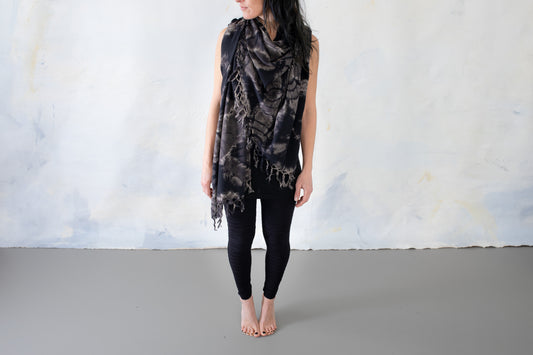
As a dress or skirt ➥ Simply wrap around the body – depending on the tying technique, you can create a beach dress, maxi skirt or pareo.
As a beach or bikini cover-up ➥ Ideal by the pool or beach. Light, airy and quick to throw on.
As a yoga or meditation cloth ➥ Quickly drape over shoulders or legs – creates warmth and security.
As a bathing or picnic mat ➥ Takes up hardly any space during transport and is still surprisingly large.
As a decoration / home accessory ➥ Can be used as a wall hanging, sofa blanket or bedspread.
As a scarf or headscarf ➥ Elegantly wrapped around the neck or styled as a turban.
As a festival essential ➥ Slightly dampened and draped over the shoulders, it allows you to dance through any hot day.
As a sustainable travel essential ➥ A sarong often replaces several items of clothing – minimalist, practical and stylish at the same time.


❸ Why we love sarongs
Sustainable ➥ One cloth – many uses
Versatile ➥ From dress to blanket – always a perfect fit
Ideal for travel ➥ Lightweight, small, quick to style
Expressive ➥ Perfect for creative looks
Comfortable ➥ Soft, breathable, drapes beautifully


Style and materials
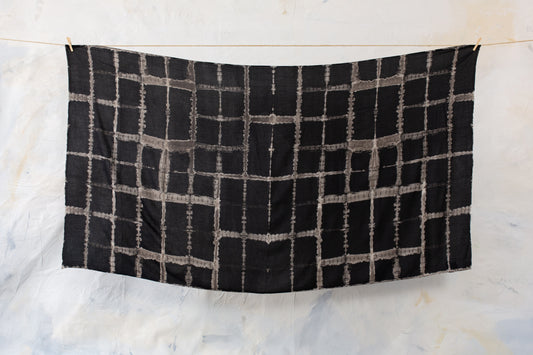
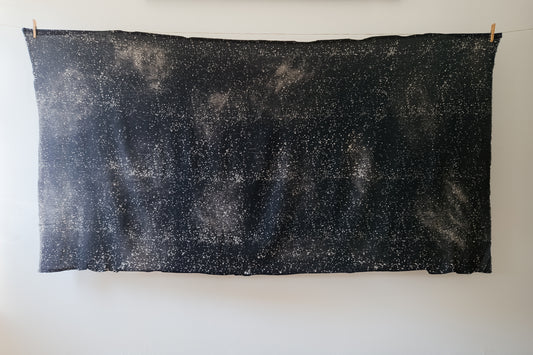
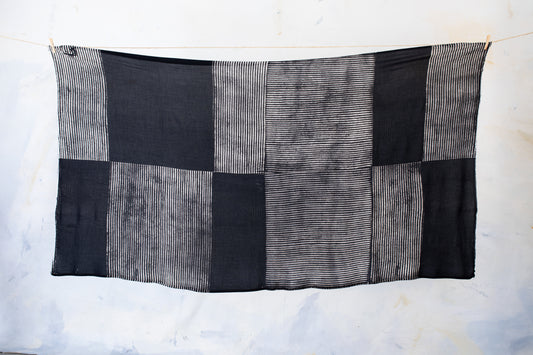
Modern sarongs are available in plain colors, with batik patterns, prints, or elaborate designs. Fabrics such as viscose, modal, muslin, or thin cotton are particularly popular as they feel pleasantly cool against the skin.
➤ A sarong is much more than just a beach towel – it's a dress, scarf, blanket, accessory and decoration all in one. Easy to tie, creatively combinable and perfect for anyone who appreciates flexible fashion and versatility.